
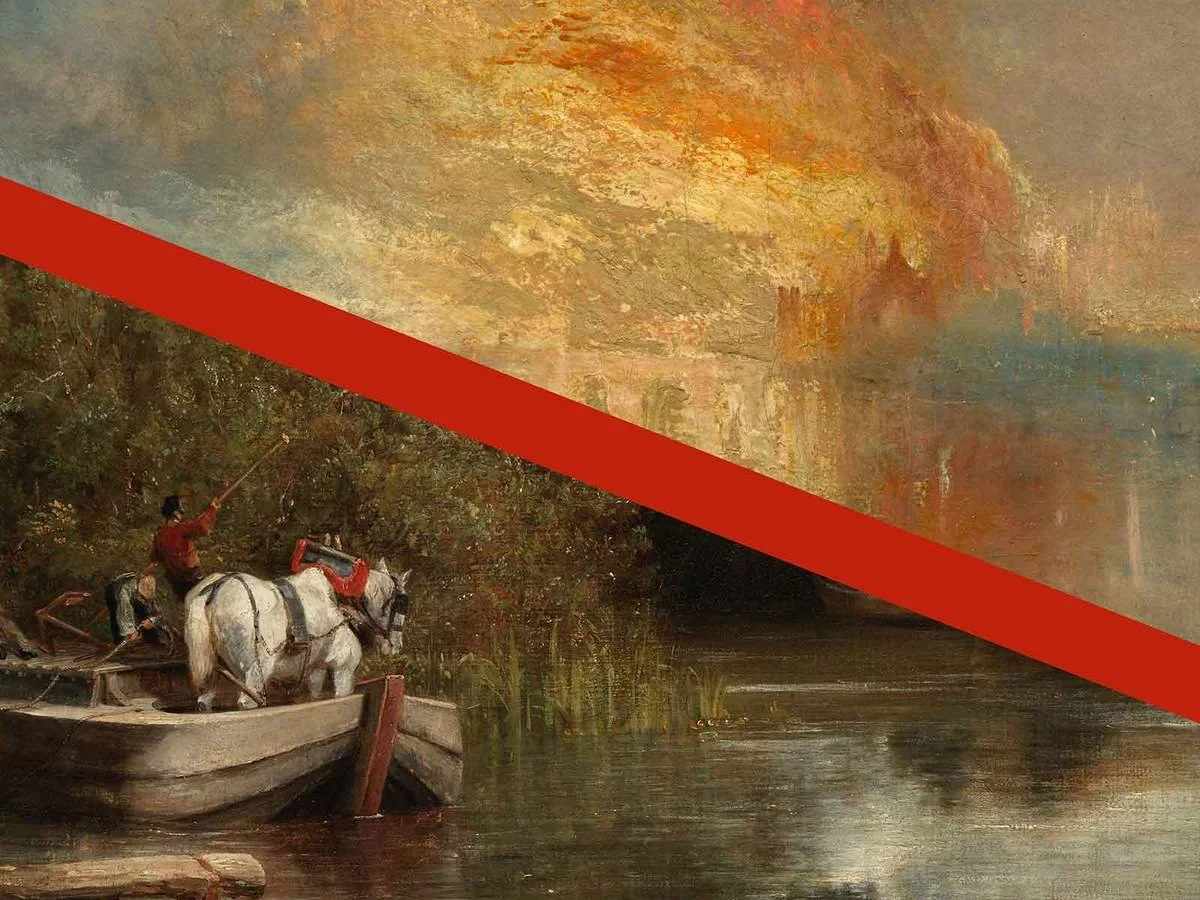
WOULD YOU BELIEVE THAT ONE OF JOHN CONSTABLE'S EARLIEST ARTWORKS IS OF A WINDMILL?
On our recent London break we visited Tate Britain and saw the exhibition Turner & Constable: Rivals & Originals.
And it turns out that windmills were an important motif for John Constable. His family ran a grain shipping and milling business, so he was very familiar with them.
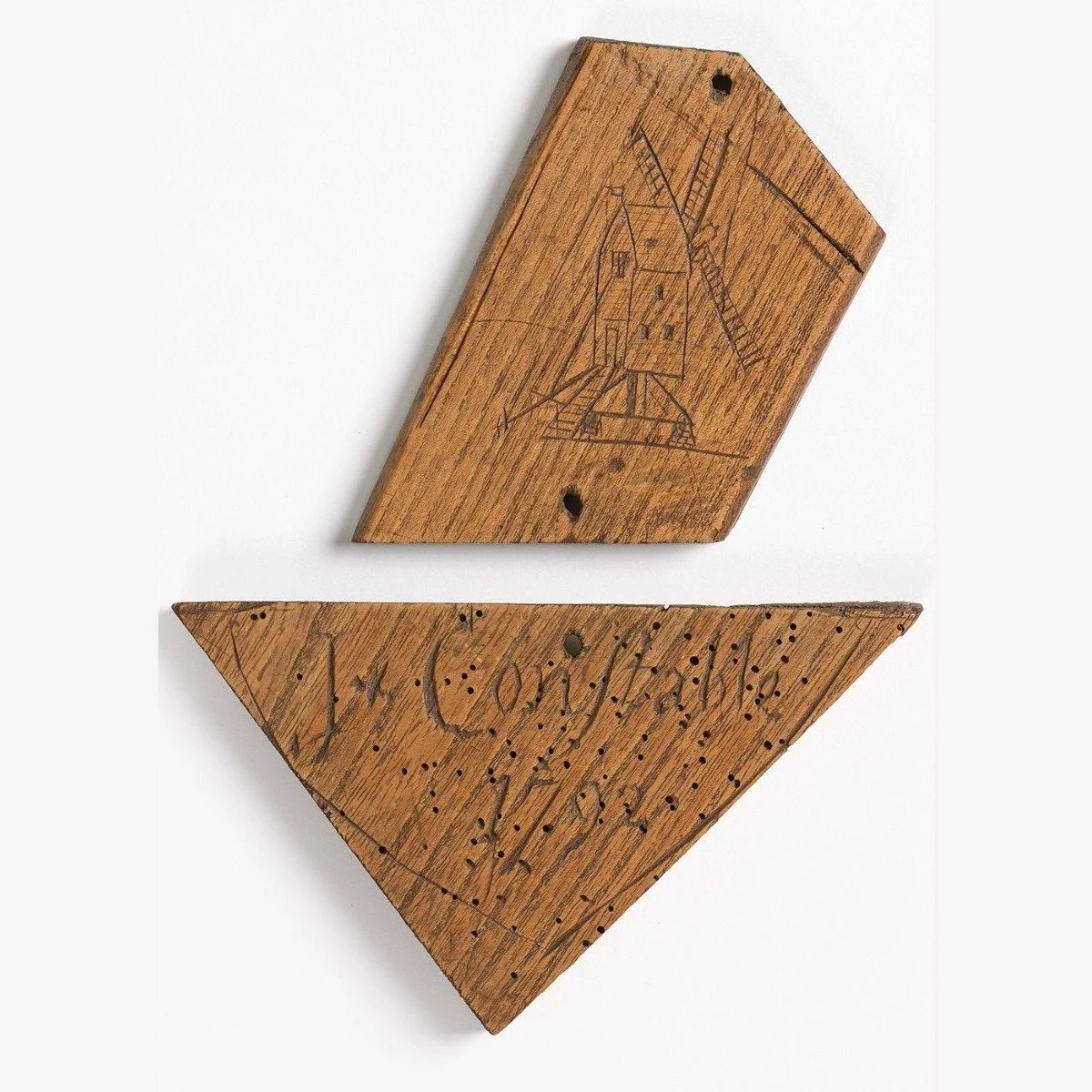
John Constable, 1792. Collection: Colchester Borough Council: Colchester and Ipswich Museum Service
This carving was made by a 16-year-old Constable into the timbers of a mill owned by his father. The fact that he was making art during a shift working at the mill reflects his determination to be a painter in spite of his parents' wish for him to take over the family business.
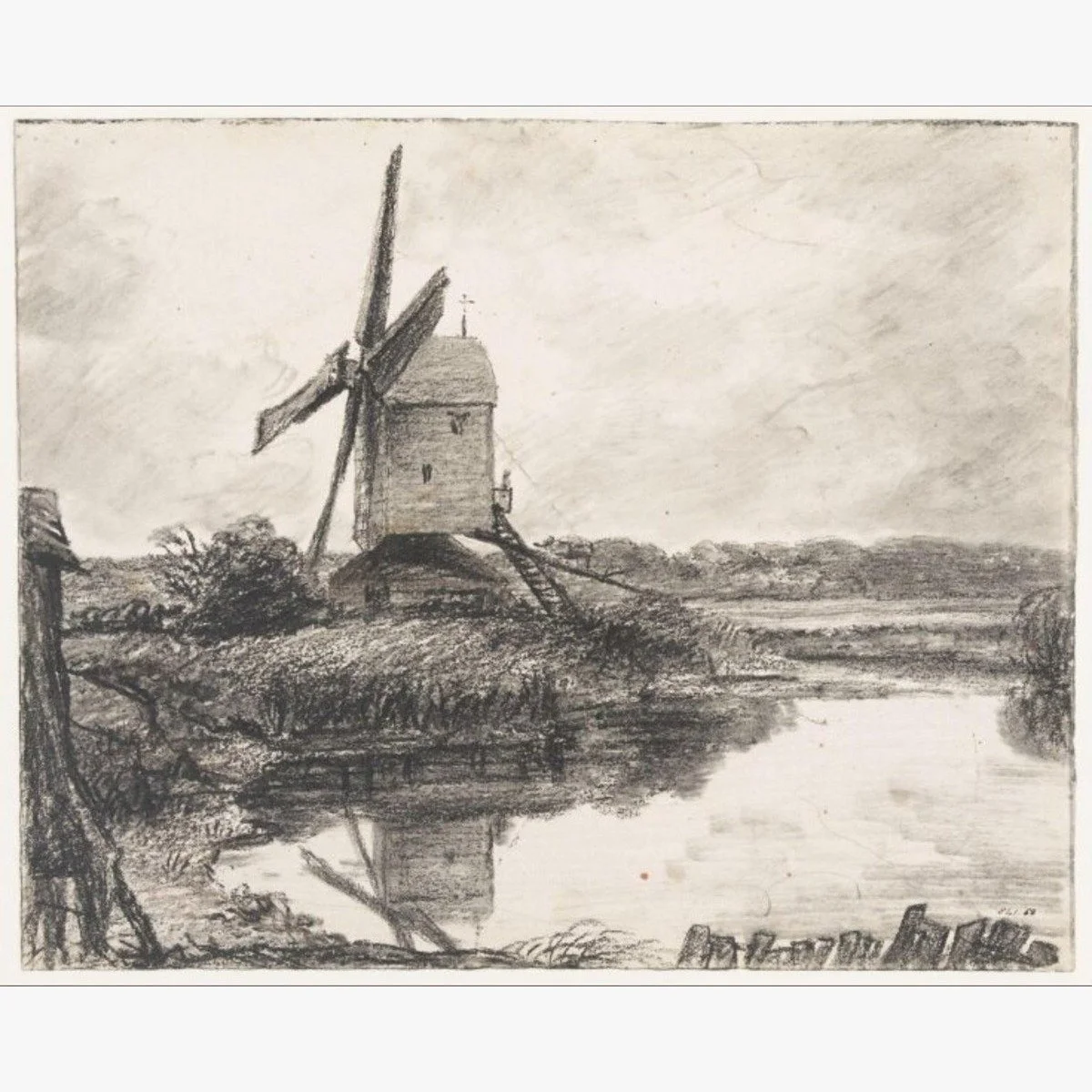
John Constable, 1802, black chalk, charcoal and traces of red chalk on paper. Collection: V&A Museum, given by Isabel Constable, daughter of the artist
Constable depicted windmills throughout his career, including A mill on the banks of the River Stour above from 1802, which was influenced by a Rembrandt painting.
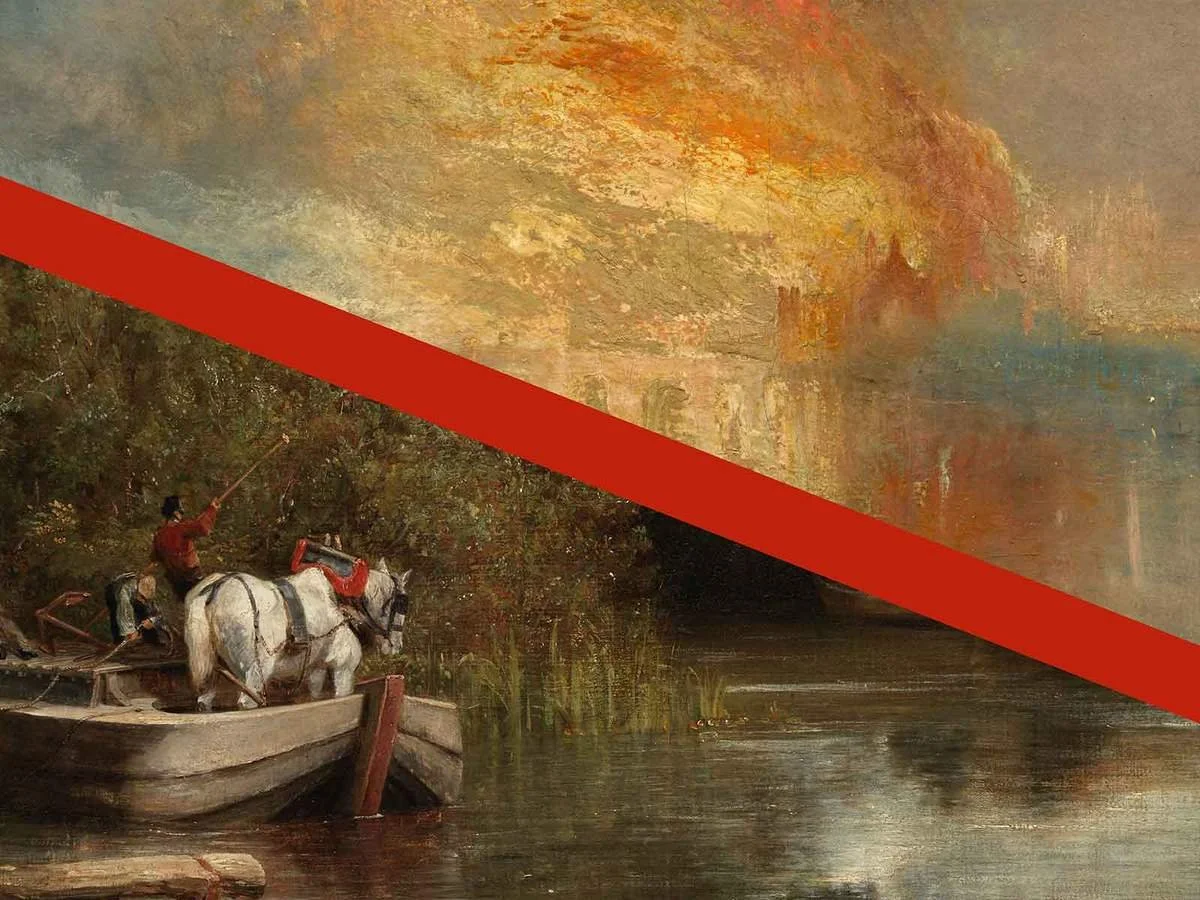
The exhibition Turner & Constable. Rivals & Originals is at Tate Britain in London until 12 April 2026. It is described by the museum as:
Two of Britain’s greatest painters, J.M.W. Turner and John Constable were also the greatest of rivals. Born within a year of each other – Turner in 1775, Constable in 1776 – the art critics of the day compared their paintings to a clash of ‘fire and water’.
Raised in the gritty heart of Georgian London, Turner quickly became a young star of the art world despite his humble beginnings. Meanwhile Constable, the son of a wealthy Suffolk merchant, was equally determined to forge his own path as an artist but faced a longer, more arduous rise to acclaim. Though from different worlds, both artists were united in their desire to transform landscape painting for the better.
Turner & Constable. Rivals & Originals Tate Britain, London